
Who this is for:Construction companies & developersIndustrial & commercial facilitiesHousing societies
What a surface protection coating is and what it protects against
A surface protection coating is a protective treatment, usually a sealer, applied to porous building materials such as exposed brick, fair-faced concrete, natural stone and GFRC (glass fibre reinforced concrete) to reduce how much water, dirt and pollutants soak in. Left untreated, these materials absorb rainwater, which carries dirt into the pores, supports algae growth and can cause staining, efflorescence and gradual surface deterioration.
DEPL Enterprise applies clear sealer coatings, which protect without altering the natural appearance, and colour sealer coatings, which protect and give the surface a uniform colour. Both are designed to guard against algae growth, dust pollution, rain damage, stains and chemical attack.
Signs that exposed brick, concrete or stone needs a protective sealer
In Mumbai, porous facades take in water through a long monsoon and high humidity for much of the year, and collect dust and vehicle pollution in between. The damage builds slowly, so the signs below help a building owner or facility manager decide whether a surface needs cleaning, repair and sealing.
- Black or green algae streaks: Algae grow where the surface stays damp, typically under ledges and parapets and on shaded walls.
- White salt deposits (efflorescence): Water moving through brick or concrete carries salts to the surface and leaves white patches as it dries.
- Dark patches that stay wet after rain: The surface is absorbing rainwater instead of shedding it.
- Dirt and pollution staining: Dust and soot settle into the pores and become hard to wash out.
- Spalling, crumbling or rust stains: Repeated wetting has started to damage the material or the steel inside it. These areas need repair before any sealer is applied.
Surfaces DEPL protects: exposed brick, concrete, stone and GFRC
DEPL applies surface protection coatings to exposed brick, concrete, stone and GFRC. Each of these materials is porous to some degree and weathers faster when water can soak in. A water-repellent sealer reduces absorption, which limits algae growth and dirt pick-up, and a breathable sealer still lets moisture already inside the wall escape as vapour instead of trapping it.
- Exposed brick: Facing brick and brick cladding, which absorb rain and develop algae and white salt deposits when untreated.
- Concrete: Fair-faced and architectural concrete, cast-in-situ or precast, where the as-cast finish is part of the design.
- Stone: Natural stone cladding, paving and features, which can stain from water, dirt, pollution and spills.
- GFRC: Glass fibre reinforced concrete facade panels, screens and architectural elements.
Clear sealer or colour sealer: how to choose the right coating
The choice between a clear sealer and a colour sealer depends on whether the existing appearance of the surface should be kept or evened out. A trial patch on the actual surface is the usual way to confirm the look before full application.
- Clear sealer coating: A transparent coating designed to be practically invisible. It keeps the natural texture and colour of exposed brick, concrete or stone while keeping the surface breathable, water-repellent, stain-resistant and chemical-resistant. It suits facades where the material itself is meant to be seen.
- Colour sealer coating: A pigmented protective coating that also gives the surface an even colour. It suits exposed concrete or GFRC with patchy shades or visible repairs, or surfaces that must match an architectural colour scheme.
What a clear sealer coating does for the building owner
DEPL's clear sealer coating protects a surface without changing how it looks. For an owner, society committee or facility manager, the benefits are practical.
- Natural appearance kept: The original texture and colour of the brick, concrete or stone remain visible.
- Water-repellent and breathable: Rainwater is repelled while water vapour can escape, which reduces the risk of trapped damp.
- Stain and chemical resistance: Dirt, pollution and spills are less likely to penetrate and mark the surface.
- Protection from algae and dust: A drier surface is less hospitable to algae and easier to keep clean.
- Lower maintenance, longer life: Surfaces that absorb less water need cleaning and repair less often, which reduces maintenance and repair costs and extends the life of the surface.
DEPL's coating work on exposed stone and concrete
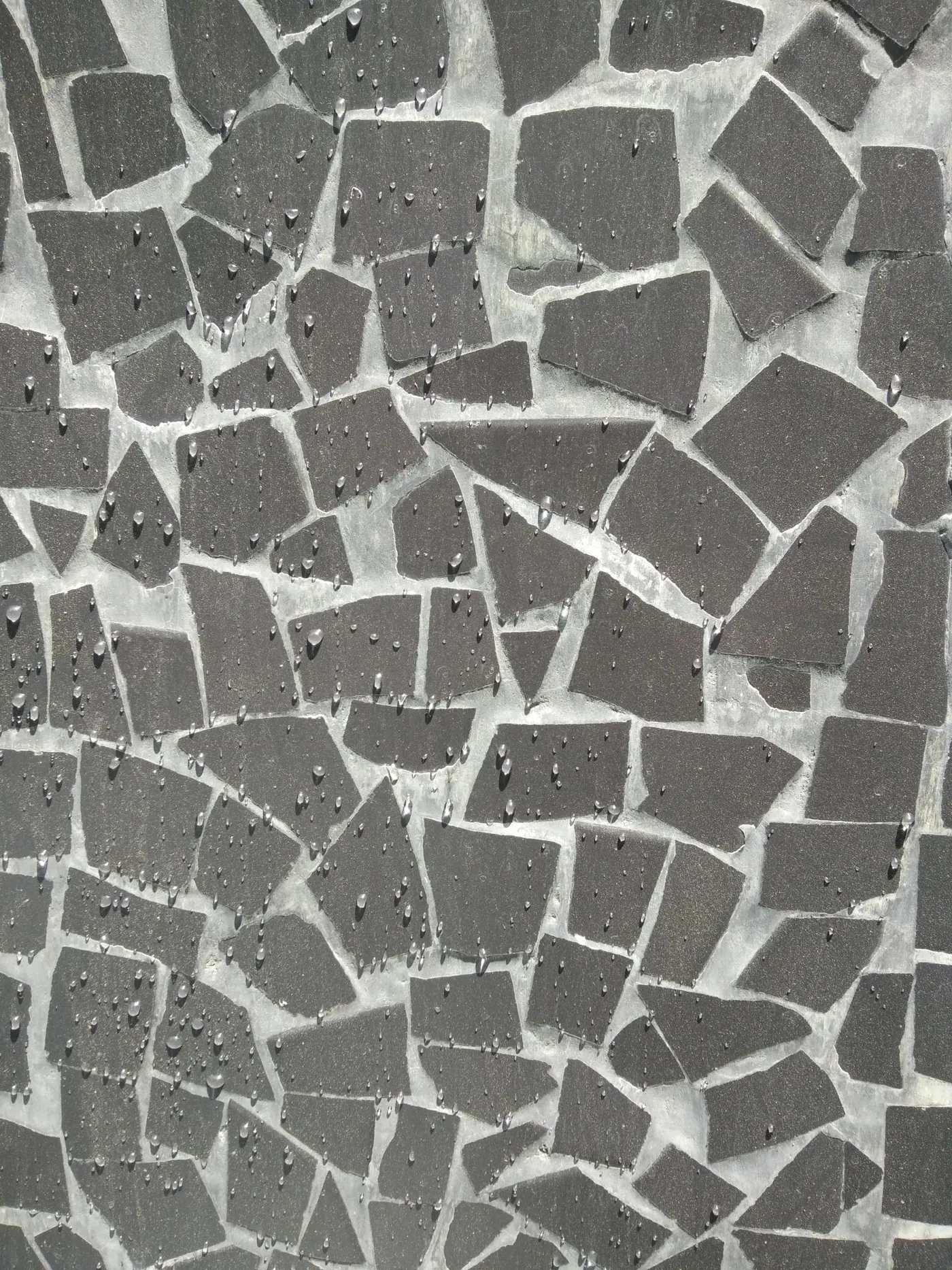
DEPL Enterprise's project portfolio includes impregnating sealer and water-repellent coating work on stone surfaces, including stone mosaic, stone-sett wall cladding and stone-sett paving.
In its exterior painting work at the Statue of Unity and IICC Yashobhoomi, DEPL coated exposed concrete with Protec Guard Color from Guard Industry, which protects concrete against UV, moisture and pollution. At the Statue of Unity in Kevadia, Gujarat, the foundation and surrounding cast-in-situ grey concrete panels were coloured to match natural stone, using the product imported from France. At IICC Yashobhoomi in Dwarka, New Delhi, DEPL applied it by spray and roller across over 10 lakh sq ft of exterior concrete and facade surfaces after cleaning or sanding them.
Why choose DEPL for surface protection coating
DEPL Enterprise has served residential, commercial and industrial clients since 1995 and has completed 1500+ projects for 500+ clients across its services. For a surface protection job, that means the practical advantages below.
- Clear and colour sealers: Clear and colour sealer coatings from the same contractor, chosen to suit the surface and the appearance required.
- Repairs and coating together: DEPL also provides structural and civil repairs, waterproofing and painting, so cracks, damp and damaged areas can be fixed before sealing without bringing in another contractor.
- Experience on exposed concrete: Protective colour coating of exposed concrete at the Statue of Unity and IICC Yashobhoomi.
- Lower long-term costs: A sealed surface needs less cleaning and repair, and lasts longer.
- Quality, safety and reporting: A commitment to quality, timeliness, safety and detailed reporting on every project.
Typical stages of the work
- Site inspection: Identify the substrate (brick, concrete, stone or GFRC) and check its porosity, existing coatings, algae, stains, cracks and damp.
- Choose clear or colour sealer: Select the coating type and confirm the appearance with a trial patch on the actual surface.
- Cleaning: Remove dust, dirt, algae, fungus, efflorescence and loose old coatings so the sealer can penetrate or bond.
- Repairs: Fill cracks, repoint open joints and repair damaged areas, then let the repairs cure.
- Drying: Let the surface dry to the moisture level the product requires; this is why sealing is usually done outside the monsoon.
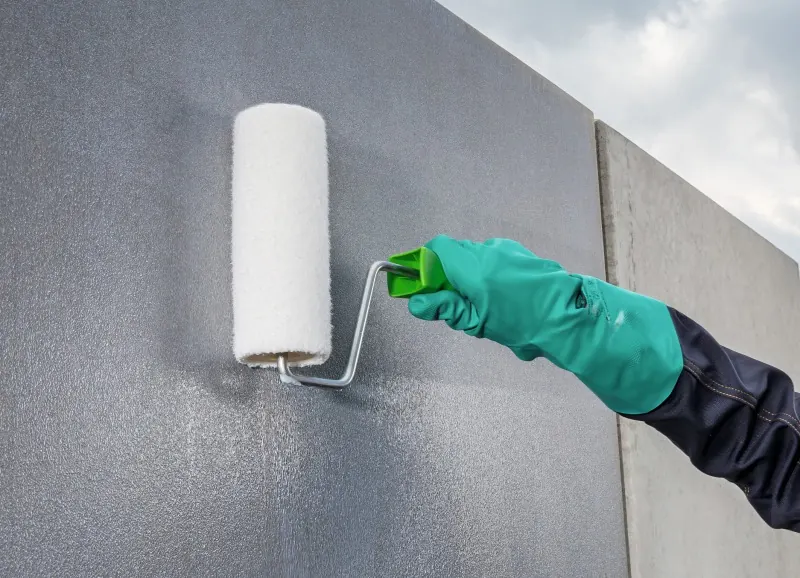
- Application: Apply the sealer by spray, roller or brush at the coverage rate and number of coats the manufacturer specifies.
- Check and handover: Inspect for even coverage and appearance; on water-repellent treatments, water beading on the surface is a common visual check.
The exact scope, method, tests and handover are agreed in DEPL's quotation for each project.
Photos: Impregnating sealer and water-repellent coating
See all photos of impregnating sealer and water-repellent coating →
Frequently asked questions
What is a clear sealer coating?
A clear sealer coating is a transparent protective treatment for porous surfaces such as exposed brick, concrete, stone and GFRC. It reduces water and dirt absorption without changing the natural colour or texture of the surface. DEPL's clear sealer coating keeps surfaces breathable, water-repellent, stain-resistant and chemical-resistant, protecting them from algae growth, dust pollution, rain damage, stains and chemical attack.
Does a clear sealer change the look of exposed brick or concrete?
Normally, no. A clear sealer is meant to leave the natural texture and colour of the surface unchanged, which is why it is used where the original material should stay visible. Some sealers can slightly darken a surface or add a mild sheen, so a trial patch on the actual wall is the reliable way to confirm the finish. Where an even or new colour is wanted, a colour sealer is used instead.
What is the difference between a clear sealer and a colour sealer?
A clear sealer is transparent and protects a surface without changing its appearance, while a colour sealer is pigmented and protects the surface while giving it a uniform colour. DEPL applies both on exposed brick, concrete, stone and GFRC to guard against algae, dust, rain damage, stains and chemicals. A clear sealer suits surfaces that already look right; a colour sealer suits patchy shades, visible repairs or a required colour scheme.
Does a water-repellent coating prevent algae on building exteriors?
A water-repellent coating reduces the risk of algae rather than ruling it out. Algae need a damp surface to grow, and a surface treated with a water-repellent sealer absorbs much less rainwater, so it stays drier and is less likely to support algae. Existing algae must be cleaned off and treated before coating. DEPL's clear and colour sealer coatings are designed to protect against algae growth, which matters in Mumbai's long, wet monsoon.
Is a water-repellent sealer breathable?
Penetrating water-repellent sealers are breathable, but not every sealer is. Silane and siloxane types soak into the pores, keeping liquid water out while letting water vapour escape from inside the wall. Some film-forming sealers are less vapour-permeable, and moisture trapped behind them can cause peeling, efflorescence and damp patches. DEPL's clear sealer coating keeps surfaces breathable as well as water-repellent, stain-resistant and chemical-resistant.
How often does a surface protection coating need to be reapplied?
There is no fixed reapplication interval; the life of a sealer depends on its chemistry, the substrate, the surface preparation and how much rain and sun the surface receives. Follow the manufacturer's recommendation and watch for warning signs: rainwater no longer beading on the surface, darker wet patches after rain, or algae returning. Book a site visit with DEPL to confirm whether recoating is due.